
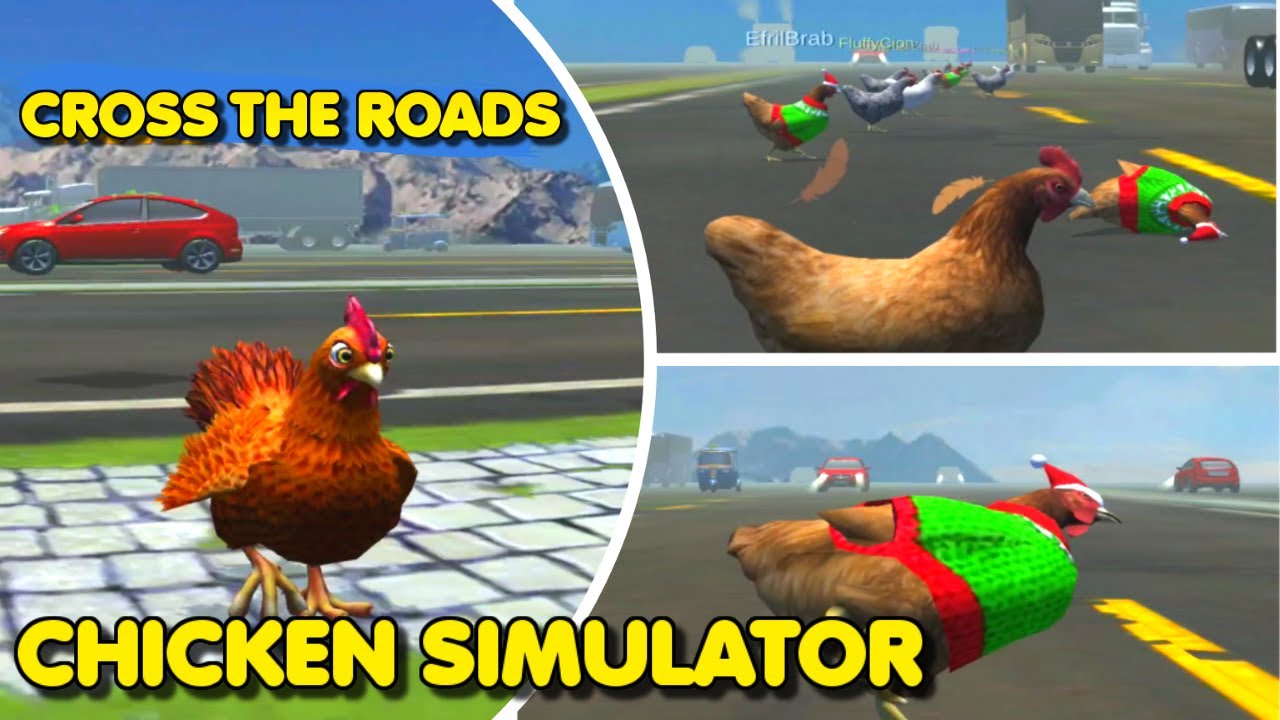
In the realm of the Chicken Crossing game, Chicken Road, gamers can find distinctive chances to apply Buddhist principles to their gameplay. By integrating mindfulness, non-attachment, and empathy, individuals can improve their focus and engagements with other players. This approach not only enhances individual gameplay but also fosters a encouraging community. As gamers chart the game’s challenges, they may uncover unexpected insights that extend far beyond the monitor. What unforeseen changes might arise from this change in perspective?
Grasping the Fundamentals of Chicken Crossing Game
As gamers navigate through the lively world of the Chicken Crossing Game, they quickly realize that its dynamics depend on strategy and decision-making. The game involves steering through obstacles while gathering items, and each choice influences the gamer’s success. Time management is essential; players must decide when to move and when to pause, keeping a balance between danger and gain. Understanding the structure of the game setting is important, as it assists gamers anticipate difficulties ahead. Engaging with other gamers can provide valuable viewpoints, promoting teamwork. Proficiency demands not just acquaintance with the rules but also an ability to adjust strategies in real-time, constantly analyzing outcomes to improve their approach. Ultimately, successful gameplay rewards thoughtfulness and foresight.
The Idea of Mindfulness in Gameplay
In the Chicken Crossing Game, players’ encounters can be considerably enhanced by embracing the idea of mindfulness. This approach encourages a concentrated awareness, elevating tactics and decision-making. By staying in the moment, gamers can better navigate challenges and opportunities within the game.
- Heightened awareness
Integrating mindfulness into gameplay not only elevates enjoyment but also forms a path toward mastery, making each session more rewarding.
Cultivating Compassion Towards Other Players
In the Chicken Road Game, players can greatly enhance their experience by cultivating compassion towards one another. By promoting team collaboration, individuals not only increase their chances of success but also promote positive interactions that can make the gameplay more pleasurable. This compassionate approach coincides with Buddhist principles, stressing the importance of empathy in every aspect of life, including gaming.
Encouraging Team Collaboration
While players maneuver through the challenges of the Chicken Road game, cultivating compassion towards one another can greatly enhance team collaboration. This principle fosters players to emphasize the group’s success rather than individual accolades, fostering a cooperative environment. Effective collaboration hinges on players understanding the value of their teammates’ contributions.
- Fostering open communication channels to express thoughts freely
- Assisting teammates during difficult game segments
- Celebrating collective victories while recognizing individual efforts
- Practicing patience and understanding when mistakes occur
- Participating in constructive feedback to boost future gameplay
Fostering Positive Interactions
Cultivating kindness towards other participants greatly improves the overall engagement in Chicken Road, fostering an atmosphere where positive interactions thrive. By fostering comprehension and empathy, participants can build valuable connections, enhancing the game’s social dimension. This approach encourages gamers to acknowledge not just their aims but also the shared challenges they face. Compassionate interaction, such as giving support or helpful feedback, can convert competitive situations into collaborative opportunities. Gamers who demonstrate kindness not only enhance their own gameplay but also inspire others to adopt a similar mindset. As these values take root, the gaming atmosphere becomes more inclusive and enjoyable, ultimately boosting the collective engagement and resulting to deeper contentment in the game and its group.
The Quest of Balance Amidst Turmoil
In the Chicken Road Game, players often meet surprising challenges that test their capability to preserve inner peace. Adopting impermanence becomes vital, as the changes of the game alter rapidly, requiring gamers to conform and find balance within the chaos. By recognizing the fleeting nature of their situations, they can develop a mindset that emphasizes stability over frenzy.
Finding Inner Peace
Amidst the fast-paced pace of the Chicken Road Game, participants often find themselves navigating a tumultuous environment filled with surprising challenges and distractions. To reach inner peace, gamers must foster consciousness, focus, and resilience. Here are key methods:
- Mindfulness
- Patience
- Adaptability
Embracing Impermanence
As players move through the uncertain landscape of the Chicken Road Game, they often encounter the notion of impermanence, which underscores the ephemeral character of each in-game moment. This principle serves as a reminder that every decision counts, and consequences change swiftly. By acknowledging impermanence, players foster adaptability and fortitude, learning to juggle their approaches amid turmoil. They realize that ties, whether to a high score or a victory streak, can impede their growth. Instead, accepting the fleeting nature of both successes and challenges fosters a attitude centered on the journey rather than the result. In the end, this search of harmony transforms gaming into a profound encounter, consistent with Buddhist principles that emphasize being present in each moment, underscoring the elegance of transformation.
Embracing Impermanence in Gaming Challenges
While players often seek triumph in games like Chicken Road, recognizing the fleeting quality of achievement can change their encounter. Embracing impermanence fosters gamers to tackle difficulties with a new viewpoint:
- Increased Resilience
- Mindfulness in Play
- Adaptability
- Community Connection
Lessons in Patience and Persistence
In the world of Chicken Road, players quickly realize that calmness and tenacity are fundamental for success. Guiding through the game’s challenges demands a consistent mindset and the ability to overcome setbacks. Each mistake offers valuable lessons, reinforcing the idea that mastery comes through repeated engagement rather than immediate success. Players must learn to evaluate their strategies, adapt to changing scenarios, and maintain focus. By cultivating patience, they develop resilience, which is vital for overcoming obstacles that may initially seem insurmountable. The act of returning to the game with fresh resolve highlights the importance of persistence. Ultimately, these qualities form a foundation for not just gaming success, but also personal growth, echoing key Buddhist teachings on endurance and mindfulness.
Integrating Buddhist Principles Into Daily Life
Integrating Buddhist principles into daily life can convert routine experiences into profound journeys of self-awareness and mindfulness. By consciously implementing these teachings, individuals promote serenity and deeper connections in their interactions.
- Mindful Breathing
- Compassionate Actions
- Gratitude Journaling
- Non-Attachment
- Regular Meditation
Each action toward integration helps cultivate a rewarding way of life, drawing people nearer to awakening and truthfulness.
Conclusion
Incorporating Buddhist philosophies into the Chicken Road activity permits participants to foster consciousness, compassion, and resilience, boosting their total experience. By adopting dispassion and the idea of impermanence, players can navigate through obstacles with a calm approach and an comprehension of life’s variable character. This holistic approach not only augments gameplay but also encourages a sense of togetherness and link among players, making every play session a significant adventure of individual progress and communal achievement.